Table of Contents
- Introduction
- Tip 1: Research the Provider Thoroughly
- Tip 2: Scrutinize Payment Methods
- Tip 3: Check for Legitimate Reviews
- Tip 4: Analyze the Pricing Structure
- Tip 5: Test with a Free Trial
- Tip 6: Evaluate Channel Quality
- Tip 7: Look for Secure Connections
- Tip 8: Verify Server Stability
- Tip 9: Use Reputable Comparison Sources
- Tip 10: Trust Your Instincts
- Conclusion
- FAQ
The internet is a sprawling digital bazaar, where promises of unlimited streaming at bargain-bin prices echo through every corner. Yet, for every genuine gem like a top-tier IPTV service provider, a dozen cleverly disguised traps lie in wait. Learning to avoid IPTV scam providers is not just about saving a few dollars; it is about safeguarding your digital life from frustration, financial loss, and potential data breaches. Imagine buying a golden ticket to a chocolate factory, only to find the door leads to a dusty warehouse of broken dreams. That is the reality of falling for an IPTV scam. In this comprehensive guide, we will arm you with ten essential strategies to navigate this treacherous landscape, ensuring your streaming experience remains pure entertainment, not a cautionary tale.
Tip 1: Research the Provider Thoroughly
Before handing over a single cent to any service that promises the moon, you must channel your inner detective. A legitimate provider will have a digital footprint that extends beyond a single Facebook page or a hastily built website. Start by checking their domain history using tools like Whois. If the domain was registered just last week and the registration details are hidden behind a privacy wall, that is your first red flag. Scammers often set up shop overnight and disappear just as quickly. Furthermore, look for a physical address and a working customer support email or phone number. A provider that hides its identity is usually hiding something far worse — a lack of intention to keep their service running. Use Google’s site search operator (site:domain.com) to see if their name appears in discussions on forums like Reddit or specialized IPTV communities. Genuine providers are often talked about; scam providers are often talked about for the wrong reasons. This initial research is your first and most powerful step to avoid IPTV scam providers effectively.

Tip 2: Scrutinize Payment Methods
Payment methods are the silent language of a business’s credibility. Reputable companies invest in secure payment gateways that process credit cards, PayPal, or cryptocurrencies through well-known processors. Scammers, on the other hand, will demand payment through untraceable methods like cryptocurrency (especially less popular coins), wire transfers, or prepaid gift cards. If a provider insists on payment only through Bitcoin or Ethereum without offering a traditional alternative, raise an eyebrow. While cryptocurrency itself is not a scam, its anonymity is a favorite cloak for fraudsters. Another telltale sign is the complete absence of a refund policy. Legitimate services usually offer a money-back guarantee within a certain period — typically 7 to 14 days. Scammers rarely do because they never intend to keep your money past the initial transaction. By scrutinizing how a provider wants to be paid, you can often avoid IPTV scam providers before the transaction even begins. A safe payment method is like a handshake with a transparent glove; you can see who you are dealing with.
Tip 3: Check for Legitimate Reviews
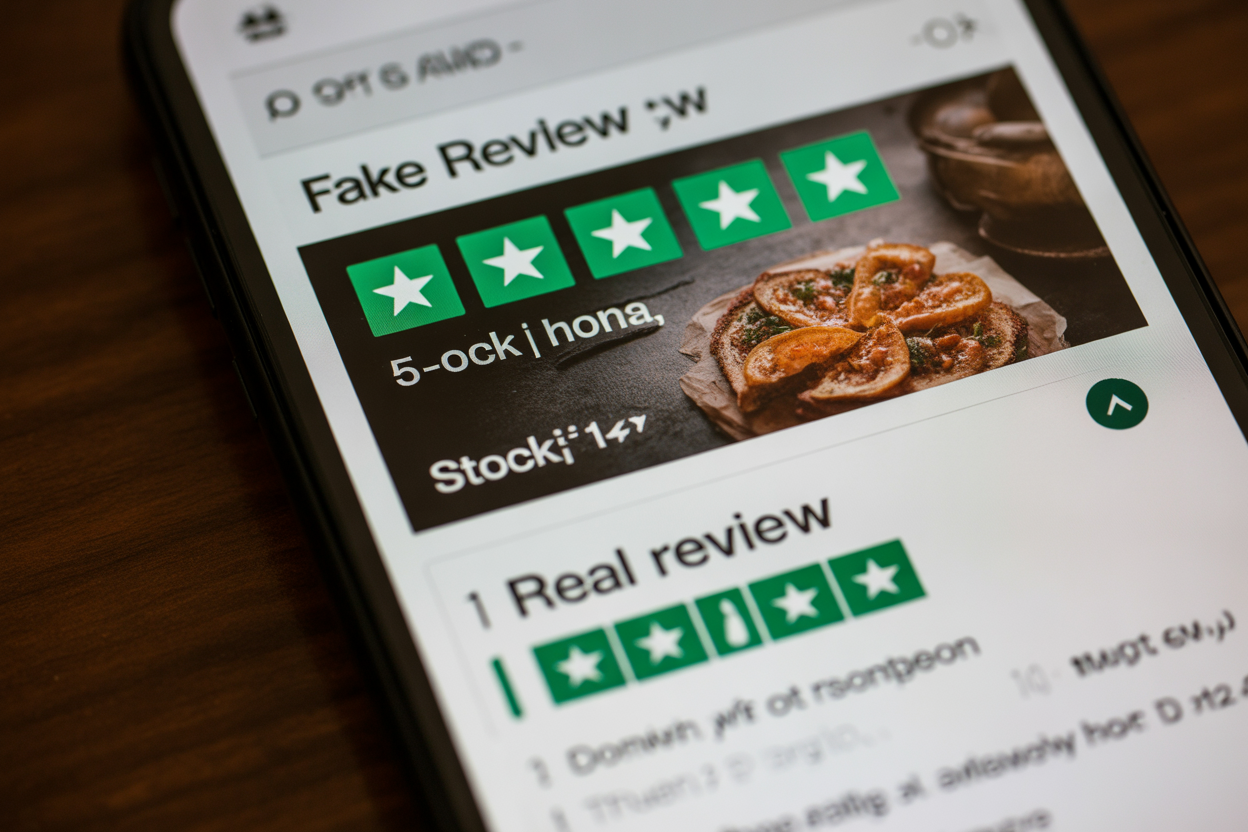
Not all reviews are created equal. Scammers often populate their websites with glowing testimonials featuring stock photos of “customers” who look suspiciously like models. To avoid IPTV scam providers, you must learn to distinguish between genuine feedback and fabricated praise. Cross-reference reviews on independent platforms such as Trustpilot, SiteJabber, or even YouTube — where real users often post video walkthroughs. Be wary of providers that have dozens of 5-star reviews but no detailed commentary. Genuine reviews typically include specific details about channel availability, server uptime, and customer support experiences. Also, check for patterns: if multiple reviews mention the same problem (like frequent buffering or sudden service shutdown), pay attention. Scammers frequently buy fake reviews to boost their initial credibility, but a trained eye can spot the generic language and repetitive phrasing. The digital word of mouth is your most reliable compass.
Tip 4: Analyze the Pricing Structure
If a deal seems too good to be true, it almost always is. The IPTV market operates on reasonable margins, and providers need to pay for server infrastructure, bandwidth, and content licensing (even if gray-market). When you see a provider offering thousands of channels for less than $10 a year, you are not looking at a bargain; you are looking at a ticking time bomb. These services often over-subscribe their servers, leading to terrible performance, or they simply vanish after collecting subscription fees from thousands of victims. To avoid IPTV scam providers, compare their pricing with established services. For example, a premium IPTV providers guide will show that sustainable pricing typically ranges between $10 and $25 per month for a quality package with reliable uptime. Avoid annual plans that offer massive discounts — they are a common trap to collect a large sum upfront before disappearing. Instead, start with a monthly subscription to test the waters. A reasonable price is a sign of a business that plans to stay; an absurdly low price is a sign of a business that plans to flee.
| Pricing Red Flag | Legitimate Indicator | Why It Matters |
|---|---|---|
| $5/year for 10,000 channels | $12–$20/month for 5,000–7,000 channels | Unrealistic pricing leads to poor server quality |
| No free trial | 7–14 day free trial or money-back guarantee | Shows confidence in service quality |
| Discounts for yearly plans only | Monthly and yearly options with modest savings | Scams want large upfront payments |
Tip 5: Test with a Free Trial
Every reputable IPTV provider should offer a free trial — typically 24 to 48 hours — to allow you to test their service before committing. This is the single most effective way to avoid IPTV scam providers. A scammer will almost always avoid offering a trial because they know their service cannot withstand even a few hours of real-world testing. During the trial, test the service across multiple devices — smart TV, phone, tablet — and during peak evening hours when servers are under the most strain. Check for buffering, channel loading times, and the accuracy of the Electronic Program Guide (EPG). Does the channel list match what was advertised? Are the streams stable? A provider that passes a rigorous trial has earned the right to ask for your money. If the provider hesitates or makes excuses about not offering trials, walk away. You have just dodged a bullet.
Tip 6: Evaluate Channel Quality
Scammers often advertise an impossibly long list of channels — 15,000, 20,000, even 30,000 — but what they deliver is a chaotic mess of low-resolution, buffering streams. Quality always trumps quantity. A genuine provider focuses on offering a curated selection of popular channels in high definition (HD) or 4K, with clear audio and minimal downtime. To avoid IPTV scam providers, evaluate the actual streaming quality during your trial. Are the sports channels offering 60fps? Do the movie channels load in under three seconds? Are subtitles working correctly? Also, examine the VOD (Video on Demand) library. Scammers frequently advertise massive VOD libraries but provide only a handful of broken links. True quality providers invest in robust encoding and CDN (Content Delivery Network) infrastructure to deliver a smooth viewing experience. Remember, a channel list is just a list; the streaming experience is the real product.

Tip 7: Look for Secure Connections
In our data-driven age, security is non-negotiable. When you sign up for an IPTV service, you are providing personal information — sometimes including your email address, payment details, and IP address. A scammy provider exposes this data to the dark alleys of the web. To avoid IPTV scam providers, check if the provider’s website uses HTTPS (the padlock icon in your browser’s address bar). If a site is still using plain HTTP, avoid it entirely. Additionally, legitimate providers will often recommend or even require the use of a VPN to protect your privacy while streaming. They will also have a clear privacy policy that explains how your data is handled. Scammers, by contrast, have vague or nonexistent privacy policies, and their sites may be littered with suspicious ads or redirects. Your personal security should never be the cost of a cheap streaming subscription. If the provider is careless with their own site security, they will be careless with your data.
Tip 8: Verify Server Stability
Server stability is the backbone of any IPTV service. Nothing ruins a movie night faster than constant buffering or the dreaded “server offline” message. Scammers typically operate from rented servers that are cheap and poorly maintained. During peak viewing hours (typically 7 PM to 11 PM), test the service extensively. Are you experiencing frequent stuttering? Are channels taking more than 10 seconds to load? These are signs of an oversold, underpowered server. To avoid IPTV scam providers, ask about their server infrastructure. Reputable providers often use multiple dedicated servers located in different geographic regions, and they may even have a status page where you can check real-time uptime. Another clever test is to stream a live event — like a football match or a major awards show. Scammers cannot handle the traffic spikes that come with popular live events. If the stream crashes during the big game, you have found a provider that should be avoided.
Tip 9: Use Reputable Comparison Sources
You do not have to navigate this minefield alone. The internet is home to dedicated communities and expert reviewers who spend their time vetting IPTV providers. Before you commit to any service, consult trusted comparison sources like our own IPTV service provider guide or community-driven forums such as Reddit’s r/IPTV. These sources often have user-run blacklists of known scam providers, as well as detailed reviews of trustworthy services. Additionally, look for independent review blogs that have a track record of consistent, honest evaluations. Scammers find it difficult to game these communities because the collective intelligence of users quickly exposes fraudulent behavior. By leveraging the wisdom of the crowd, you can dramatically reduce your risk. Never make a decision in isolation; let the experiences of others guide your path.
Tip 10: Trust Your Instincts
Finally, trust your gut. If something about a provider feels off — perhaps the website is poorly designed, the support team is evasive, or the promises seem grandiose — your instincts are likely correct. Scammers often rely on creating a sense of urgency (“Limited-time offer! Sign up now!”) or using high-pressure sales tactics to bypass your rational judgment. To avoid IPTV scam providers, take a step back. A legitimate service will never push you into a decision. They will respect your need to research and test. If you feel uncomfortable at any point during the signup process, listen to that feeling. It is better to miss out on a potentially good deal than to lose your money to a scam. Patience is your greatest ally in this hunt.

Conclusion
Navigating the IPTV market is akin to sailing through beautiful but treacherous waters. The promise of boundless entertainment is real, but so are the pirates who seek to plunder your wallet. By following these ten tested strategies — from rigorous research and payment scrutiny to server testing and trusting your instincts — you can confidently avoid IPTV scam providers and find a service that delivers nothing but pure, uninterrupted streaming joy. Remember, the goal is not just to find cheap TV but to find a reliable partner for your home entertainment. Take your time, do your homework, and you will be rewarded with a streaming experience that feels like a five-star hotel, not a roadside motel. And when you find that gem, consider taking the next step with a service like EvesTV, where transparency and quality are not just promises — they are foundations. Start your safe streaming journey today, and never look back.
Ready to experience IPTV the right way? Explore EvesTV’s premium IPTV service today and enjoy a free trial with no strings attached. Your entertainment deserves the best.
Frequently Asked Questions
- What is the most common sign of an IPTV scam?
The most common sign is an extremely low price combined with an unrealistic number of channels. If it costs less than a cup of coffee per month for tens of thousands of channels, it is almost certainly a scam. - Can I get my money back if I fall for an IPTV scam?
In most cases, recovering money from an IPTV scam is very difficult because scammers use untraceable payment methods like cryptocurrency. This is why prevention through thorough research is your best defense. - Are all IPTV services with cryptocurrency payments scams?
No, many legitimate IPTV providers accept cryptocurrency as a payment option for user privacy. However, if cryptocurrency is the only payment method available, you should be very cautious. - How do I know if an IPTV review is fake?
Fake reviews often use generic language, lack specific details about channel quality or server performance, and are often posted by accounts with very few other activities. Check multiple review platforms for consistency. - Is it safe to use a free trial from an unknown IPTV provider?
Yes, it is generally safe as long as you do not provide sensitive payment information upfront. Use a temporary email address if possible, and test the service thoroughly before any commitment. - What should I do if an IPTV provider suddenly disappears?
Immediately stop using the service, change any passwords you shared, and monitor your bank or credit card statements for any suspicious charges. Consider using a credit card chargeback if applicable. - How important is customer support in avoiding scams?
Extremely important. Legitimate providers have responsive customer support through email, live chat, or ticketing systems. Scammers are notoriously difficult to reach and often reply with generic responses or none at all. - Can using a VPN protect me from IPTV scams?
A VPN protects your privacy and encrypts your data, but it does not protect you from paying a scammer. It is a security tool, not a scam prevention tool. - Why do IPTV scammers target sports events?
High-demand live sports events create massive traffic spikes that scam providers cannot handle. This is why they often fail during big games, leaving you without service when you need it most. - What is the best way to find a reliable IPTV provider in 2025?
Use a combination of reputable comparison guides (like EvesTV), community forums, free trials, and your own testing during peak hours. If a provider passes all your checks, it is likely safe.