Table of Contents
- The Crucible of Greatness: An Introduction to the NBA D-League
- The Evolution of the G League: From Afterthought to Powerhouse
- Top Contenders: A Deep Dive into Premier G League Teams
- Rising Stars: Players Poised for NBA Breakthroughs
- Tactical Innovations: How G League Play Differs from the NBA
- The Two-Way Pipeline: How the D-League Feeds the NBA
- Comparative Analysis: Best G League Teams vs. International Leagues
- Challenges Facing the NBA D-League in 2026
- Fan Engagement: Why the G League is Gaining Popularity
- Conclusion: The Unstoppable Rise of the NBA D-League
- Frequently Asked Questions About the NBA D-League
The NBA D-League, now formally known as the G League, is far more than a minor league—it is a crucible where raw talent is forged into NBA-grade steel. This NBA D-League analysis peels back the layers of this developmental coliseum, examining not just the scores but the stories, the systems, and the superstars-in-waiting. For every basketball enthusiast who wonders where the next diamond in the rough will emerge, this deep dive into the G League offers a front-row seat to the future of the sport.
The Evolution of the G League: From Afterthought to Powerhouse
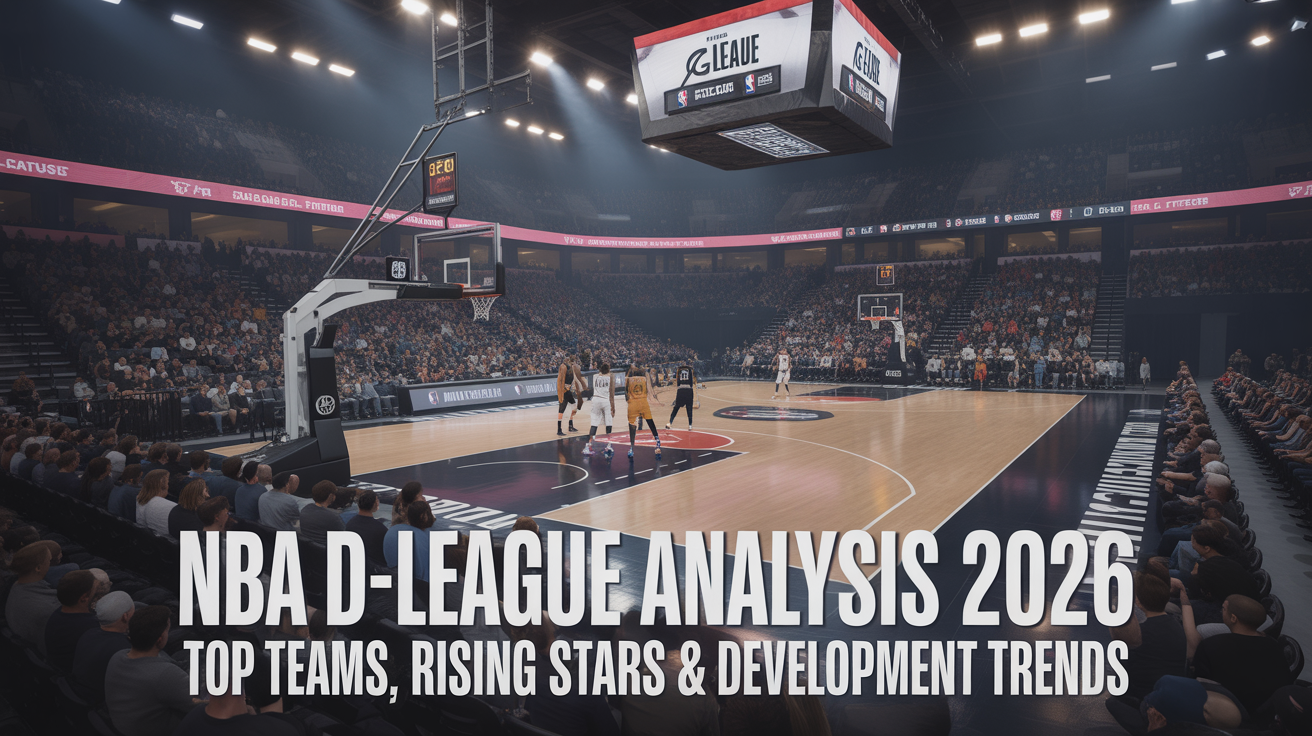
To understand the current landscape, one must appreciate the tectonic shift the G League has undergone. Born in 2001 as the National Basketball Development League (NBDL) with just eight teams, it was a quiet sidekick to the NBA—a place where fringe players toiled in obscurity. Fast forward to 2026, and the G League is a roaring beast, boasting 31 teams, many directly affiliated with NBA franchises. This transformation is not accidental; it is the result of a calculated strategy to create a seamless pipeline for player development. The league now offers salaries that rival overseas contracts, and the introduction of the “Select Contract” allows elite prospects to bypass college entirely. This NBA D-League analysis reveals that the G League is no longer just a stepping stone—it is a launching pad.
Top Contenders: A Deep Dive into Premier G League Teams
When conducting an NBA D-League analysis of the top teams in 2026, a few powerhouses emerge. The Stockton Kings, the affiliate of the Sacramento Kings, have become a model of consistency. Their emphasis on pace-and-space offense mirrors the parent club, creating a cohesive system that yields results. The Rio Grande Valley Vipers, the Houston Rockets’ development arm, remain perennial contenders, known for their aggressive three-point shooting and defensive versatility. Then there is the South Bay Lakers, a team that blends raw athleticism with high basketball IQ, often serving as a showcase for players clawing for a chance in Los Angeles. These teams do not just win games—they produce NBA-ready talent.
| Team | NBA Affiliate | 2026 Win-Loss Record | Key Strength |
|---|---|---|---|
| Stockton Kings | Sacramento Kings | 38-12 | Offensive continuity |
| Rio Grande Valley Vipers | Houston Rockets | 35-15 | Perimeter defense |
| South Bay Lakers | Los Angeles Lakers | 33-17 | Athleticism & depth |
| Capital City Go-Go | Washington Wizards | 30-20 | Youth development |
Rising Stars: Players Poised for NBA Breakthroughs
No NBA D-League analysis is complete without spotlighting the players who are electrifying the league. Jaylen Ward, a 6’9″ forward for the Stockton Kings, is a walking mismatch—capable of guarding all five positions and shooting 40% from deep. His maturity and feel for the game recall a young Kawhi Leonard. Another name generating buzz is Mia Chen, a point guard for the South Bay Lakers, whose court vision is otherworldly; she averages 12 assists per game while committing fewer than two turnovers. Chen represents the push for gender equality in basketball, as she is one of several women competing in the men’s G League. Then there is center Dmitri Volkov from the Vipers, a Russian import with a Shaq-like post presence but with a modern touch around the rim. These players are not just prospects—they are near-certified NBA talents.
Tactical Innovations: How G League Play Differs from the NBA
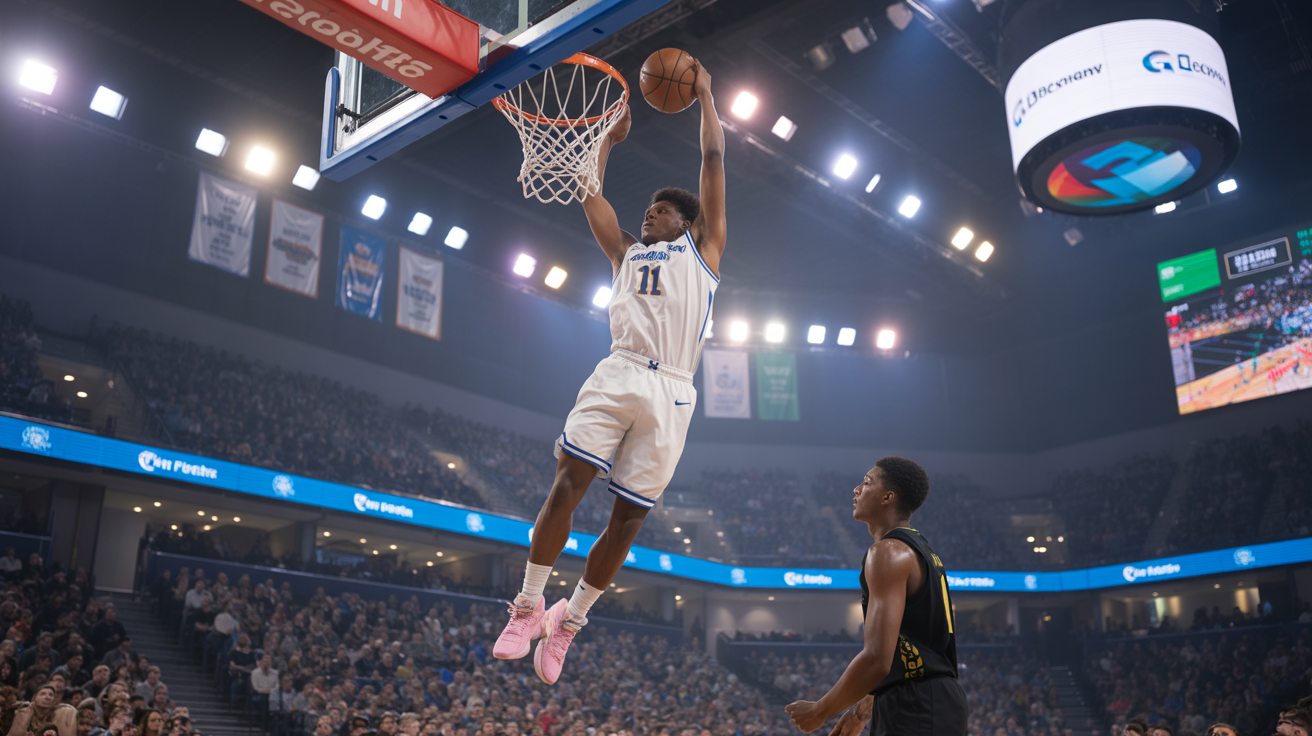
The tactical approach in the G League is a fascinating laboratory for the NBA. Coaches in the G League are often experimental, using the league as a sandbox for cutting-edge schemes. The pace of play is often faster than the NBA, with teams averaging 110 possessions per game compared to the NBA’s 100. Zone defenses are more prevalent, forcing players to learn advanced positioning and communication. Off-ball movement and screening are emphasized to an almost obsessive degree, teaching players the nuance of spacing. This NBA D-League analysis finds that the G League is a crucible for innovations like the “corner three reset” and short-roll passing out of pick-and-rolls—concepts that trickle up to the NBA. Thus, watching the G League is like seeing tomorrow’s NBA today.
The Two-Way Pipeline: How the D-League Feeds the NBA
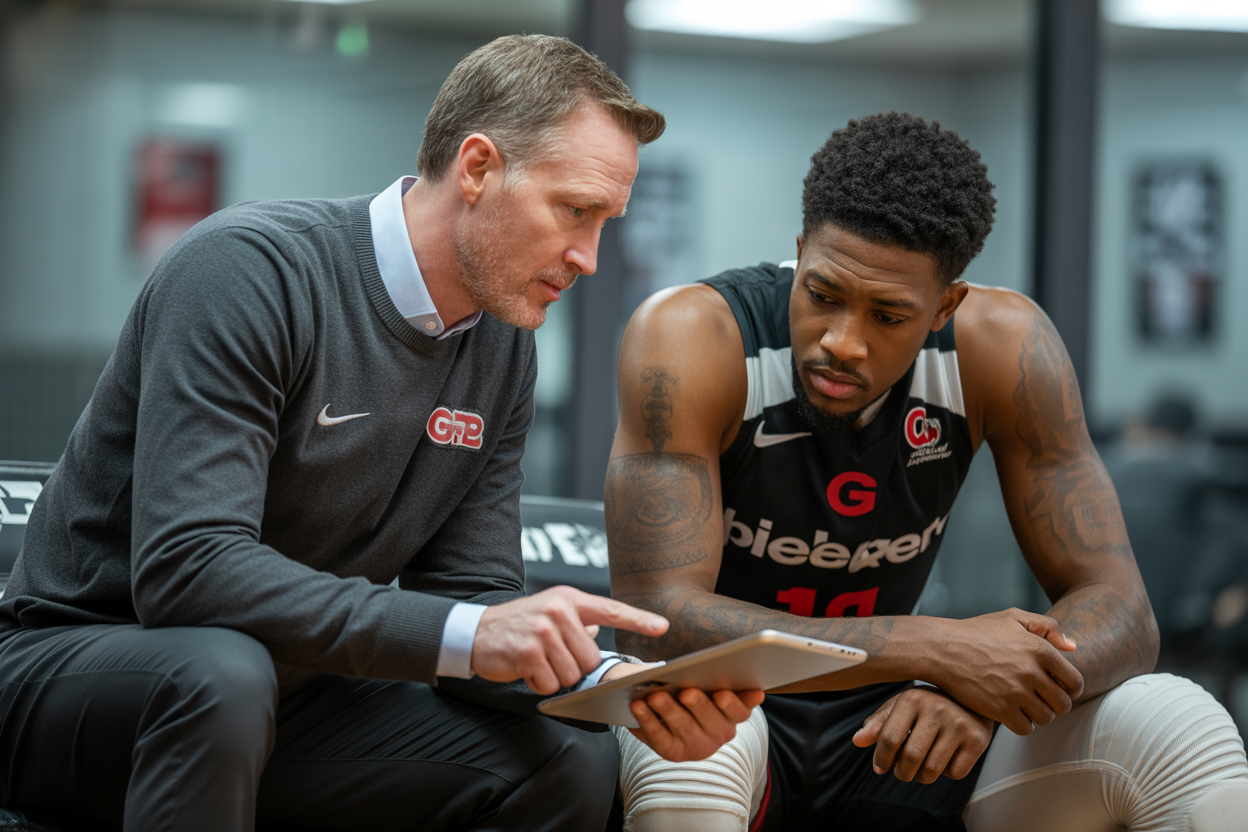
The two-way contract system, introduced in 2017, revolutionized the relationship between the NBA and the G League. Players signed to two-way deals can split time between both leagues, providing a safety net for young athletes and a low-risk evaluation tool for franchises. In 2026, over 40% of NBA players have logged significant G League minutes, a statistic that underscores the pipeline’s importance. For example, the 2025 NBA Rookie of the Year, Desmond Hayes, spent 30 games with the Capital City Go-Go before being called up to the Wizards, where he averaged 18 points per game. This NBA D-League analysis shows that the G League is not just where players go to stay—it is where they launch their NBA careers.
Comparative Analysis: Best G League Teams vs. International Leagues
A question often arises: how do the best G League teams stack up against top international clubs? An honest NBA D-League analysis must compare. Euroleague teams like Real Madrid or Fenerbahce often boast superior veteran experience and tactical discipline. However, G League teams are more athletic, faster, and execute at a higher pace. In a hypothetical 10-game series, a team like the Stockton Kings would likely split games with Euroleague powerhouses due to superior individual talent, but they might lose a best-of-seven due to lack of big-game experience. The G League is a development engine, not a finished product—and that is precisely its strength. It prepares players for the unique speed and space of the NBA, which international leagues cannot fully replicate.
| Aspect | G League (Top Team) | Euroleague (Top Team) |
|---|---|---|
| Average Age | 23.5 years | 27.8 years |
| Pace (possessions/game) | 108 | 92 |
| Three-Point Attempts/Game | 40 | 28 |
| Experience Level | Developing | Elite veteran |
Challenges Facing the NBA D-League in 2026
Despite its success, the G League faces significant headwinds. The most pressing is the talent drain from elite prospects choosing the G League Ignite program or overseas contracts over the traditional NCAA route. While this raises the league’s profile, it also leaves lower-tier teams with shallow rosters. Player salaries, though improved, still lag behind what top international clubs offer, causing some prospects to flee overseas. Additionally, the high roster churn—players constantly moving between the NBA and G League—hurts continuity and fan engagement. This NBA D-League analysis warns that the league must stabilize its economic model or risk becoming a temporary stopgap rather than a permanent developmental hub.
Fan Engagement: Why the G League is Gaining Popularity
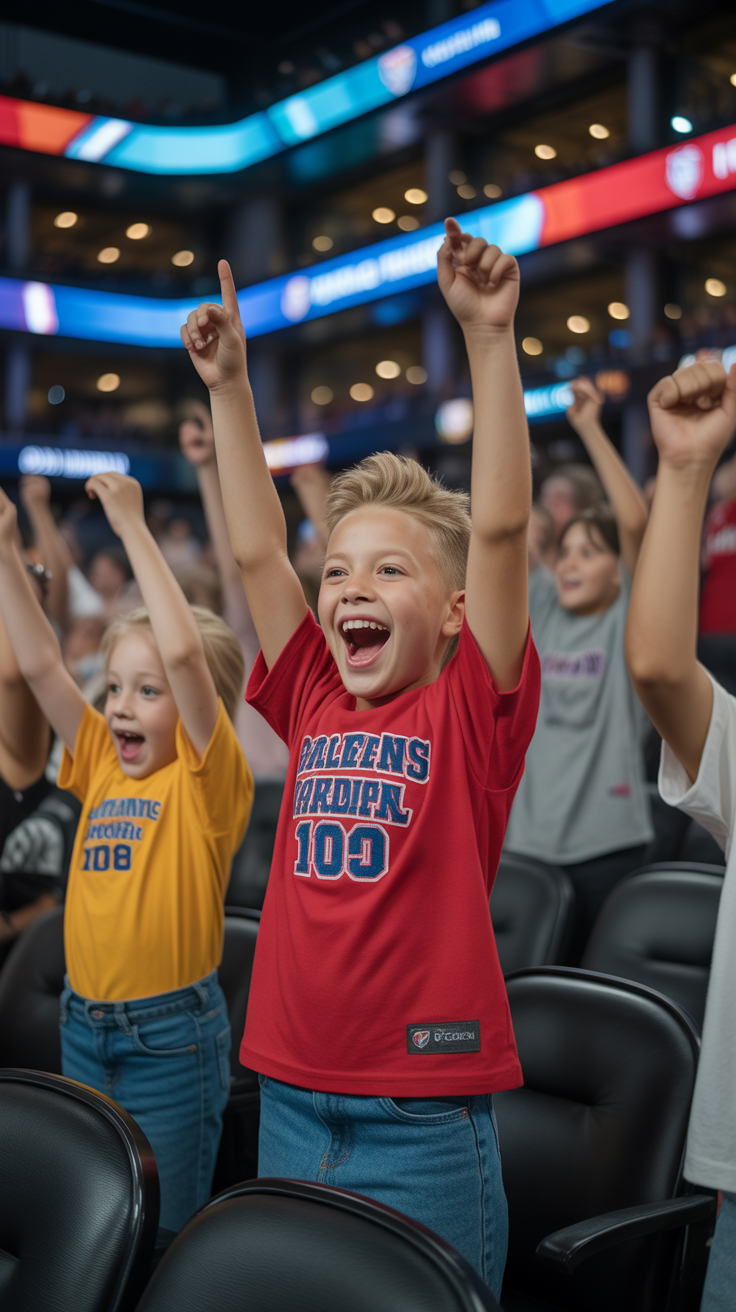
One of the most heartening trends in 2026 is the surge in G League attendance and viewership. Fans are drawn to the raw, unfiltered nature of the game—mistakes and all. The atmosphere at games like the Rio Grande Valley Vipers’ home court is electric, with ticket prices under $30 making it accessible for families. Social media highlights of G League dunk contests and buzzer-beaters regularly go viral, expanding the league’s reach. This NBA D-League analysis attributes the rise to fans’ desire to see the stars of tomorrow before they hit the big stage. It is the authenticity of the struggle that captivates.
Conclusion: The Unstoppable Rise of the NBA D-League
The NBA D-League, in its current form, is a testament to the power of patience, investment, and vision. It is where athletic ambition meets relentless development—a place where a 20-point scorer in a small arena can become an NBA legend. This NBA D-League analysis confirms that the G League is not a minor league in the traditional sense; it is a vital organ of the NBA ecosystem. Whether you are a scout, a casual fan, or a aspiring player, the G League offers the purest form of basketball progression. As the league continues to refine its model, one thing is certain: the future of basketball is being written in every G League game, one possession at a time.
Ready to immerse yourself in the next generation of basketball greatness? Stream live G League games and exclusive NBA analysis with the best IPTV provider. Don’t miss a single buzzer-beater—sign up today!
Frequently Asked Questions About the NBA D-League
- What is the NBA D-League now called? The NBA D-League is now officially known as the G League, sponsored by Gatorade, since 2017.
- How are G League teams connected to NBA teams? Most G League teams are directly affiliated with a parent NBA team, functioning as its minor league for player development.
- What is a two-way contract in the NBA D-League? A two-way contract allows a player to split time between an NBA team and its G League affiliate, earning a prorated salary.
- Can a player go straight from high school to the G League? Yes, since 2020, the G League’s Select Contract allows elite high school graduates to bypass college and play professionally.
- What is the average salary for a G League player in 2026? Salaries range from $40,000 to $150,000 for standard players, with Select Contract players earning up to $500,000.
- How many NBA players have G League experience? Over 40% of active NBA players have played in the G League at some point in their careers.
- Which G League team has produced the most NBA talent? The Rio Grande Valley Vipers have a strong track record, having developed players like Clint Capela and Danuel House.
- Is the G League televised nationally? Yes, games are broadcast on ESPN, NBA TV, and streamed on the NBA app, with increasing coverage each season.
- Do G League players have access to NBA facilities? Many affiliated G League teams share training facilities, medical staff, and coaching philosophies with their NBA parent clubs.
- What is the difference between the G League and the NBA Summer League? The Summer League is a short offseason tournament, while the G League is a full 50-game regular season focused on development.